 Pin it
 My neighbor dropped off a bundle of carrots from her garden one April afternoon, and I had no idea what to do with them beyond the usual roasted side dish. That evening, while flipping through an old cookbook, I found a carrot cake recipe with cream cheese frosting, and something clicked—the way those warm spices could transform humble vegetables into something genuinely luxurious. I've made this cake dozens of times since, and it's become my go-to for spring celebrations, potlucks, and the kind of Tuesday when I need something that feels special but doesn't require a culinary degree.
I baked this cake for my daughter's school fundraiser last spring, and watching people's faces light up when they bit into a slice—that moment when they tasted both the spice and the cream cheese together—reminded me that good food is really just an excuse to make people happy. She asked me to bake two more the following week, and I knew I'd created something worth keeping in rotation forever.
Ingredients
- All-purpose flour (2 1/2 cups): This is your structural backbone; I've learned that measuring by weight (320 g) is more reliable than volume alone, especially with humidity in the air.
- Baking powder and baking soda (2 tsp and 1 1/2 tsp): They work together to lift the cake gently, creating that tender crumb that makes people ask for seconds.
- Cinnamon, nutmeg, and ginger (1 tsp, 1/2 tsp, and 1/2 tsp): This trio is what gives carrot cake its soul—don't skip any of them or use pre-mixed pumpkin pie spice as a shortcut, as it never tastes quite the same.
- Eggs (4 large, room temperature): Cold eggs won't incorporate smoothly into the batter, so pull them out of the fridge while you prep everything else.
- Granulated and brown sugar (1 1/2 cups and 1/2 cup): The combination gives you sweetness with a subtle molasses depth that makes the cake taste more complex than it should.
- Vegetable oil (1 cup): This keeps the cake moist and tender far better than butter alone ever could.
- Unsweetened applesauce (1/2 cup): It adds moisture while reducing oil slightly, creating a less heavy texture that still feels indulgent.
- Finely grated carrots (3 cups): Grate them just before you mix the batter so they stay fresh and vibrant; do not use pre-shredded carrots from a bag as they've oxidized and won't contribute the same moisture.
- Chopped walnuts (1 cup for batter, 1/2 cup for decoration): Toast them lightly if you have time—it deepens their flavor and makes them even more irresistible.
- Cream cheese and unsalted butter (16 oz and 1/2 cup): Both must be softened at room temperature or your frosting will have lumps that no amount of beating will fix.
- Powdered sugar (4 cups, sifted): Sifting removes lumps before you start; it's a five-minute step that makes the frosting silky instead of grainy.
Tired of Takeout? 🥡
Get 10 meals you can make faster than delivery arrives. Seriously.
One email. No spam. Unsubscribe anytime.
Instructions
- Set your stage:
- Preheat your oven to 350°F (175°C) and prepare three 8-inch round pans with parchment—this takes about five minutes but saves you from stuck, broken cake layers later. I learned this the hard way by trying to speed through it once.
- Mix your dry team:
- Whisk together flour, baking powder, baking soda, cinnamon, nutmeg, ginger, and salt in a medium bowl, making sure to distribute the leavening agents evenly so you don't end up with an oddly textured cake. This is where patience with whisking actually makes a difference.
- Build your wet base:
- Beat eggs with both sugars until the mixture becomes pale, thick, and ribbony—this takes about three to four minutes with an electric mixer and incorporates air that helps the cake rise. Slowly add oil, applesauce, and vanilla, mixing after each addition rather than dumping everything in at once.
- Combine gently:
- Add your dry ingredients to the wet mixture in three stages, mixing just until you no longer see streaks of flour, then fold in the carrots and walnuts with a spatula. Overmixing at this point develops gluten, which tightens the crumb—you want tender, not tough.
- Fill and bake:
- Divide batter evenly among your three pans (I use a kitchen scale for this to ensure they bake at the same rate) and smooth the tops, then bake for 30 to 35 minutes until a toothpick comes out clean. The kitchen will smell extraordinary—that's your cue to resist opening the oven door.
- Cool with intention:
- Let cakes rest in their pans for exactly 10 minutes before turning them out onto racks; too soon and they fall apart, too long and they crack as they cool unevenly. This small window is crucial.
- Create your frosting magic:
- Beat softened cream cheese and butter together until they're completely smooth and creamy, then gradually add sifted powdered sugar, vanilla, and salt, beating until fluffy peaks form. This usually takes about four to five minutes; if it looks broken or separated, your dairy was too cold.
- Build your cake tower:
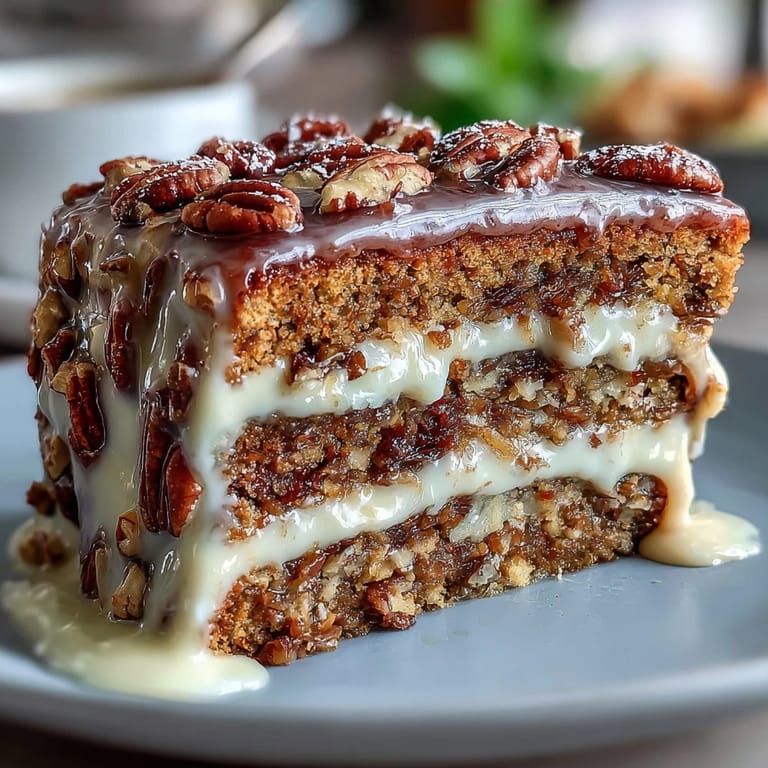
- Level your cake layers if they domed (a serrated knife works best), place the first layer on your serving plate, spread a thick layer of frosting, then repeat with the second and third layers. Take your time with this part—it's where the magic becomes visible.
- Finish with flair:
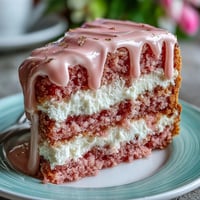
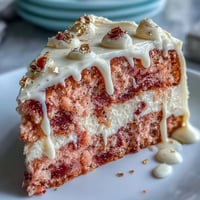
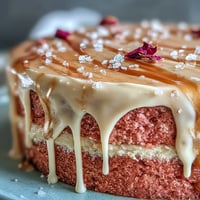
- Frost the top and sides with the remaining frosting, then scatter chopped walnuts and edible flowers or carrot curls across the top, letting some cascade down the sides. This is the moment it stops being a cake and becomes a statement.
 Pin it
 Last summer, I brought this cake to a family reunion where my great-aunt hadn't baked in years due to arthritis, and she sat in the kitchen watching me decorate it, asking questions about each layer and each swirl of frosting. Halfway through her slice, she got a little quiet and told me it reminded her of cakes her own mother made in the 1950s—different recipe, but that same generous spirit. That's when I understood this cake wasn't just about technique or ingredients; it was about slowing down enough to make something that tastes like care.
Why This Cake Works Year-Round
Spring feels like the obvious season for carrot cake, but I've discovered it's equally welcome in autumn when you want something less heavy than pumpkin cake, or in winter when you crave spice without chocolate. The three-layer format also makes it feel festive enough for celebrations but approachable enough for a random weekend bake when you're not sure what to do with yourself in the kitchen.
Variations Worth Exploring
Over the years, I've experimented with additions and tweaks, and some have stuck around. Raisins plump up beautifully in the batter, dried pineapple adds a subtle tang, and crushed pistachios swapped in for walnuts create an entirely different personality. The frosting base is sturdy enough to handle these changes, so don't be afraid to make it your own once you've nailed the core recipe.
Make-Ahead and Storage Wisdom
This cake actually improves after sitting for a day in the refrigerator—the flavors deepen and the moisture settles evenly throughout each layer, making it a perfect candidate for baking the day before a gathering. Once decorated, it keeps beautifully for three to four days in an airtight container in the fridge, and you can even freeze unfrosted layers for up to three months if you want to prep ahead.
- If you're baking ahead, wrap each cooled layer individually in plastic wrap before stacking them to prevent them from drying out.
- Always bring the finished cake to room temperature for about thirty minutes before serving—frosting and cake both taste better when they're not cold.
- If you're worried about crumbs in your frosting, do a thin crumb coat first, chill for fifteen minutes, then add your final frosting layer.
 Pin it
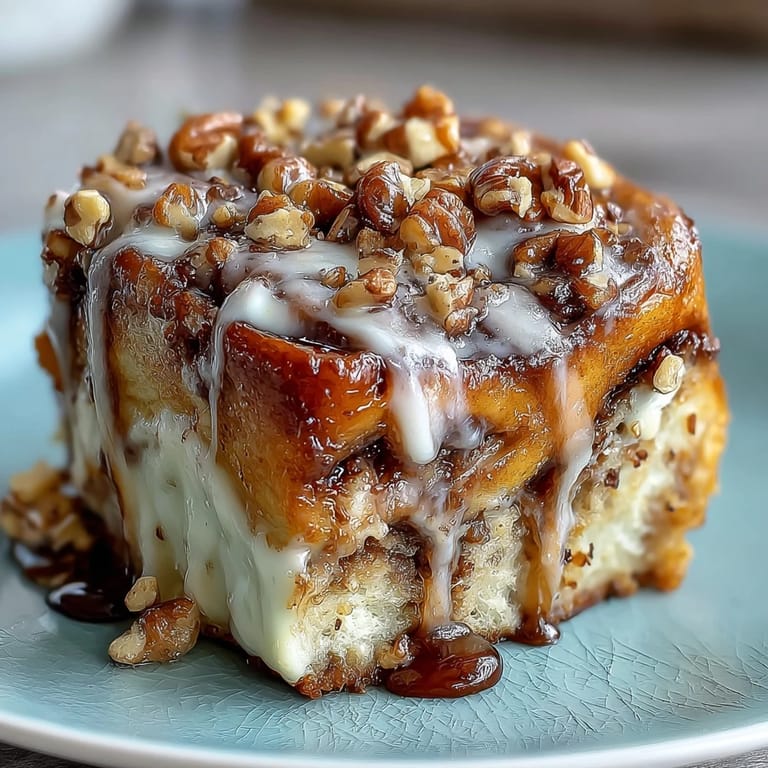
 This cake has become my answer to almost every spring celebration, and the joy of pulling a perfectly frosted three-layer cake out of the fridge never gets old. Make it once, and you'll understand why people still ask me about it months later.
Recipe Questions & Answers
- → How do I keep the cake moist?
Using vegetable oil and applesauce in the batter helps retain moisture, while careful baking prevents drying out.
- → Can I substitute walnuts with other nuts?
Yes, pecans or almonds can be used, offering a similar crunch and complementary flavor.
- → What spices enhance the flavor?
Cinnamon, nutmeg, and ginger combine to create a warm, spiced profile that pairs well with the carrots and cream cheese.
- → How should the layers be cooled before frosting?
Allow the cake layers to cool completely on a wire rack to prevent frosting from melting.
- → Are there any suggestions for decoration?
Chopped walnuts, carrot curls, or fresh edible flowers add texture and visual appeal.