 Pin it
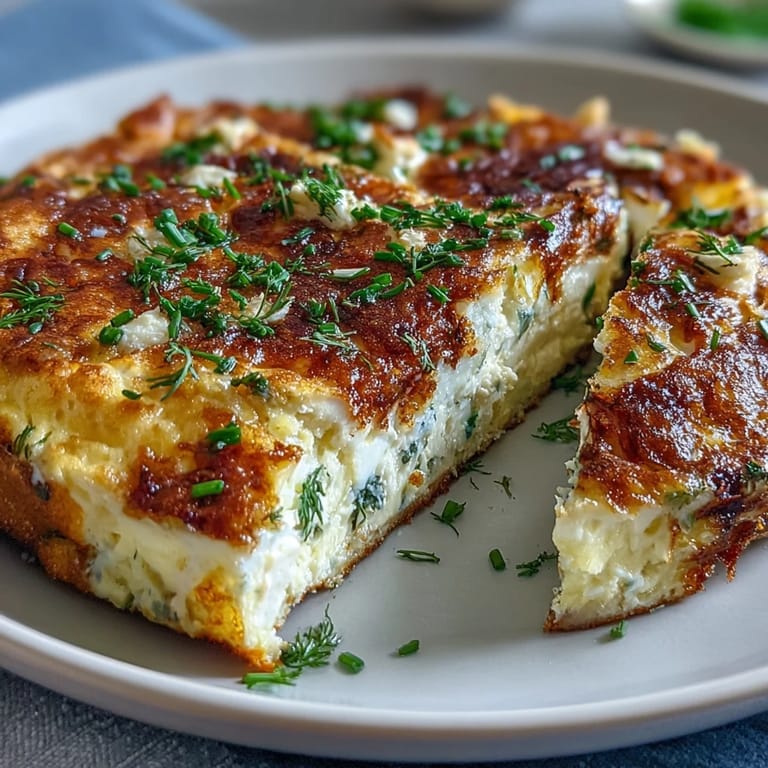
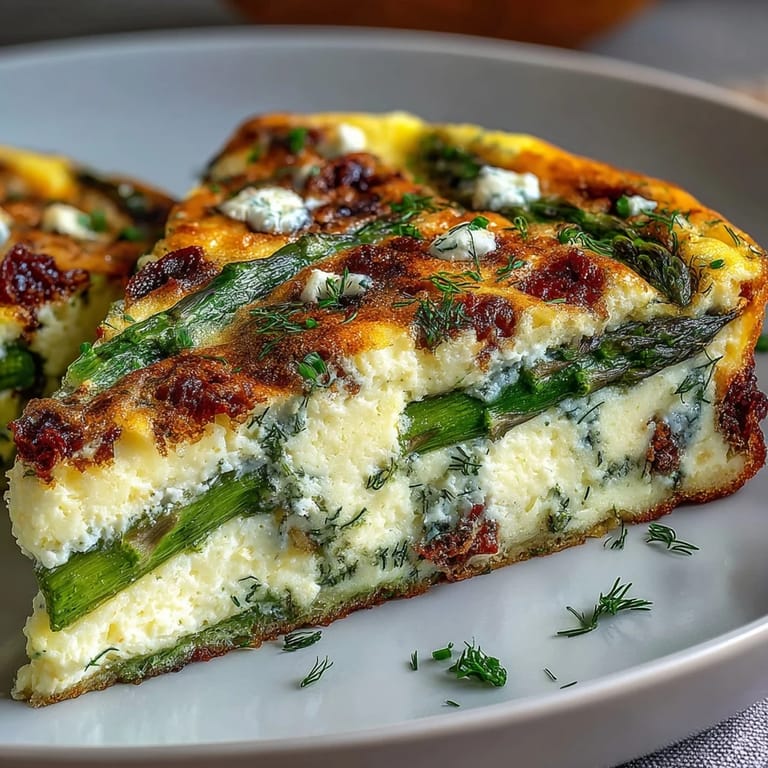
 My neighbor stopped by one Saturday morning with a basket of just-picked asparagus from her garden, and I had about twenty minutes to turn it into something memorable for brunch. I grabbed eggs from the fridge, crumbled some goat cheese, and threw together what became my go-to spring frittata—the kind that looks fancy enough to impress but honest enough that you don't stress over it. There's something about cooking with fresh vegetables that makes the whole kitchen smell alive, and this dish captures that feeling perfectly.
I made this for my sister's birthday brunch last April, and watching everyone's faces light up when I sliced into that golden frittata told me everything I needed to know. She ate two wedges and immediately asked for the recipe, which meant it passed the ultimate test: it didn't feel like diet food, it felt like celebration.
Ingredients
- Asparagus: Trim the woody ends by snapping each spear where it naturally breaks—this gives you tender pieces that cook evenly and taste sweet rather than bitter.
- Red onion: Chopped fine so it softens into the eggs without overpowering them; the color also adds a subtle visual appeal.
- Baby spinach: Adds earthiness and wilts down to almost nothing, so don't be shy with the handful.
- Eggs: Room temperature eggs blend more smoothly and create a fluffier texture once baked.
- Whole milk: Adds richness and helps the eggs stay tender; whole milk makes a noticeable difference compared to water.
- Goat cheese: Crumble it into small pieces so it distributes evenly and creates creamy pockets throughout rather than dense clumps.
- Parmesan cheese: The nuttiness balances the tangy goat cheese and helps the top turn golden.
- Fresh chives and dill: Chives go into the egg mixture for subtle onion flavor, while fresh dill sprinkled at the end tastes bright and spring-like.
- Olive oil and butter: The combination creates a flavorful base for sautéing vegetables; butter adds richness while olive oil keeps the smoke point higher.
Tired of Takeout? 🥡
Get 10 meals you can make faster than delivery arrives. Seriously.
One email. No spam. Unsubscribe anytime.
Instructions
- Get your oven ready:
- Preheat to 180°C so it's hot and waiting when you need it; this matters more than you might think because the frittata needs steady heat to set evenly.
- Sauté the foundation:
- Heat olive oil in your ovenproof skillet over medium heat, add the red onion, and let it soften for a couple minutes until it turns translucent and smells sweet. Watch how it begins to caramelize at the edges—that's when you know it's ready for the asparagus.
- Cook the asparagus:
- Add your asparagus pieces and stir occasionally, letting them pick up color and tenderness over 4 to 5 minutes. You want them just yielding when you poke them with a fork, not mushy.
- Wilt the spinach:
- Toss in the baby spinach and stir for about a minute until it completely collapses into the pan; it releases moisture that seasons everything beautifully.
- Blend the eggs:
- In a bowl, whisk your eggs with milk, half the chives, half the dill, salt, and pepper until combined but not overworked—tiny flecks of yolk are fine and actually add texture.
- Bring it together:
- Turn the heat under your skillet down to low, pour the egg mixture evenly over the vegetables, and scatter the crumbled goat cheese and Parmesan on top. Let it cook undisturbed for 4 to 5 minutes until you see the edges just starting to set while the center still jiggles slightly when you tilt the pan.
- Finish in the oven:
- Transfer the whole skillet to your preheated oven and bake for 10 to 12 minutes until the center is set but still has a slight jiggle and the top turns light golden. The frittata continues cooking as it cools, so err on the side of slightly underbaked rather than overdone.
- Rest and serve:
- Let it sit for 5 minutes in the pan to set completely, then slice into wedges and garnish with the remaining herbs and a tiny pinch of red pepper flakes if you want heat. Serve it warm from the oven or at room temperature, whichever suits your mood.
 Pin it
 There's a quiet joy in serving something that looks this beautiful without any fuss, and I've found that people linger longer over frittata than they do over most breakfast food. Maybe it's because it feels substantial but never heavy, or because sharing slices from one pan creates an intimacy that plated food doesn't quite capture.
Why Spring Vegetables Matter Here
Spring vegetables have a brightness that heavier root vegetables can't match, and asparagus especially brings an almost grassy sweetness that keeps this dish from feeling boring or breakfast-routine. The tender spears don't need long cooking, which means they stay fresh-tasting rather than turning into soft strings. When you're building a frittata around these ingredients, you're working with their natural delicacy rather than against it.
Timing and Temperature Control
The most common mistake I see is cooking the frittata entirely on the stovetop and ending up with a rubbery top while the bottom burns, which is why splitting the cooking between the stovetop and oven works so well. Low heat on the stovetop lets the bottom set gently, and then the oven's dry heat finishes the center without toughening the edges. Think of it as a relay race where each heat source does exactly what it does best.
Make It Your Own
The beauty of a frittata is that it welcomes improvisation—swap the goat cheese for feta if you prefer a saltier tang, or use whatever herbs you have growing on your windowsill. Other spring vegetables like peas, leeks, or young zucchini work beautifully, and you can even add crispy bacon or smoked salmon if you're in the mood for richness. The proportions stay the same; only the cast of characters changes.
- Serve wedges with a simple green salad and crusty bread for a complete meal.
- Pair with a chilled white wine or sparkling rosé that won't overpower the delicate flavors.
- Leftovers taste just as good cold the next day, making this perfect for meal prep or unexpected guests.
 Pin it
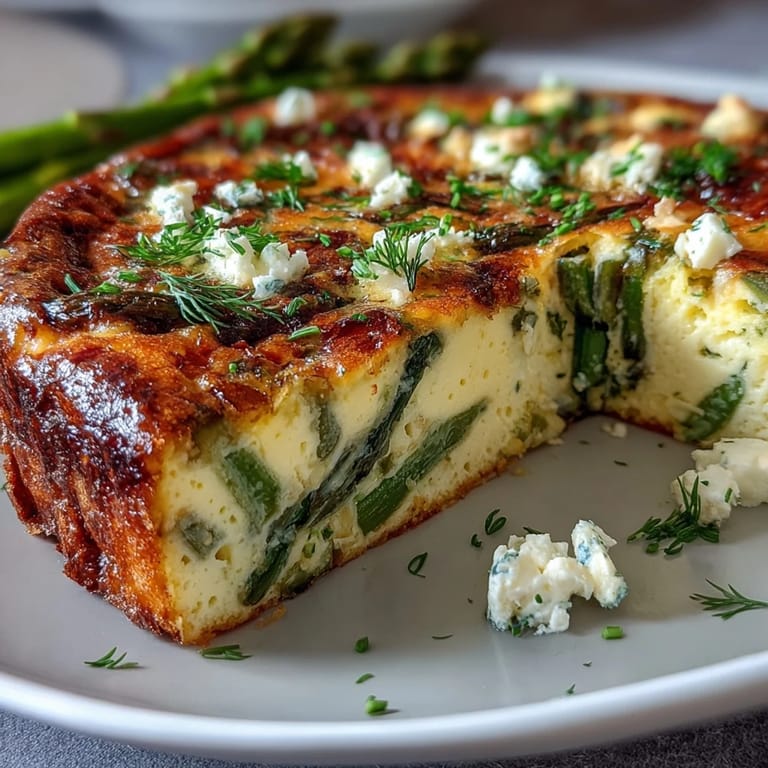
 Once you make this frittata, you'll find yourself reaching for it on lazy Saturday mornings and busy weeknights alike. It's the kind of recipe that feels like a gift to yourself—simple enough not to stress over, but special enough to feel like you're doing something nice.
Recipe Questions & Answers
- → What is the best way to cook the asparagus for this dish?
Trim and cut the asparagus into 2 cm pieces, then sauté in olive oil over medium heat until tender but still crisp, about 4-5 minutes.
- → Can I substitute goat cheese with other cheeses?
Yes, feta or ricotta make excellent alternatives, offering unique flavors while maintaining a creamy texture.
- → Is it necessary to bake after cooking on the stove?
Baking completes the cooking process, setting the eggs evenly and giving the top a light golden crust.
- → How should I serve this dish for best taste?
Serve warm or at room temperature, optionally garnished with fresh herbs and a pinch of red pepper flakes for added flavor.
- → What wine pairs well with this asparagus and cheese dish?
A crisp white wine or sparkling rosé complements the fresh, light flavors perfectly.